



Five brutal robbers were released from custody. The police prosecutor who released them is a Palestine activist on Facebook, using a fictitious surname. Witnesses to the brutal home robbery describe the robbers as being from Pakistan, the Middle East and Africa.
On Monday 5 October, a family in Ullern, Oslo, was subjected to a brutal home robbery by three people. Accompanying them during the crime were a lookout and a driver who were waiting in the getaway car.
The robbery was carefully planned. The mother was held captive whilst the robbers searched the house for valuables. Her underage son was subjected to violence by the robbers.
The robbers were arrested the same day, thanks to an observant neighbour who took photographs of the robbers and the getaway car they used.
Document reported on the case on 26 October. In the article, we questioned why the robbers had not been remanded in custody.
Committed robbery, unlawful detention and assault, but walks free
Prosecutor Mari Bystrøm Julnes replied that the conditions for remand in custody had not been met. According to her, there was no risk of absconding, tampering with evidence or reoffending. In conclusion, she wrote that the police fully understand that the incident was perceived as frightening and that this continues to affect the victims in the aftermath.
The victims are living in fear and do not dare speak to the press for fear of reprisals. The risk of threats and reprisals was not mentioned in the police solicitor’s response, unless it is included under the concept of destruction of evidence.
Document has requested access to the document on which the decision to release the robbers from pre-trial detention is based. This request has not been granted.
Document has been in contact with relatives and witnesses. This was reported in Document on 28 October.
The police prioritise criminals’ freedom of movement over victims’ freedom of speech
“My line of argument”
It is highly likely that the robbers, as described by witnesses, may have cultural links to criminal clan circles.
On the NRK Debatten programme on 27 October, clan communities came into focus when the topic was the book «The Dark Side of Immigration» by author and former journalist Anders Magnus.
It was mentioned there that clan and tribal societies characterise the culture in countries such as Somalia, Pakistan, Afghanistan, Syria and Iraq.
Witness descriptions of the robbers may suggest that they originate from these or similar countries.
However, Crown Prosecutor Bystrøm Julnes does not address whether the Criminal Procedure Act takes sufficient account of the risks characteristic of such environments, such as threats and reprisals. She relies on her own presentation of the evidence.
«I will not go into further detail regarding my assessment of the evidence in this case. As regards our assessment of whether we had grounds to remand the suspects in custody, we adhere to the framework set out in the Criminal Procedure Act.»
Palestine activist
On Facebook, the police lawyer is listed simply as “Mari Julns”.
The surname “Bystrøm” has been omitted and the “e” in the surname “Julnes” has been removed.
She is clearly concerned with the Middle East conflict, and she leaves no doubt as to where her sympathies lie.
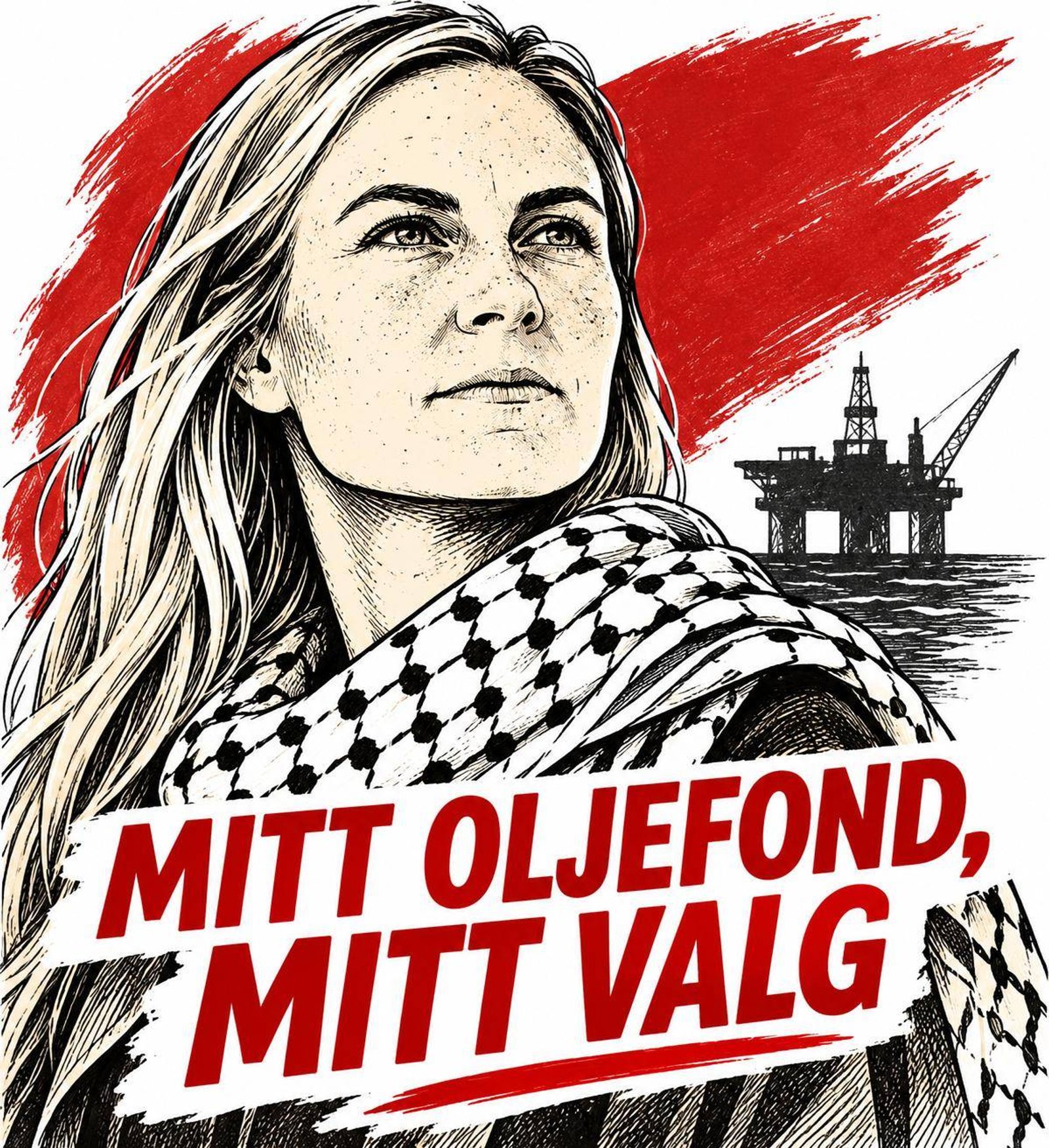
On 13 May 2025, she posted a photo of herself wearing a Palestinian scarf. And with the slogan “My Oil Fund, My Choice”. It was election campaign time. The slogan was launched by 35 civil society organisations, including the Palestine Committee, which hailed the terrorist attack on Israel on 7 October 2023 and called it a struggle for freedom.
Above the photo, she writes:
«I do not accept that Norway is on the wrong side when history is written. I do not accept that my pension funds contribute to violations of international law and occupation. ‘Pull the Oil Fund out of Israel’»
It is a fact that people with backgrounds similar to those of the burglars described by witnesses share the views advocated by Julnes.
It is also a fact that Gaza became one of the key campaign issues in the run-up to last year’s parliamentary election. The leader of the Socialist Left Party, Kirsti Bergstø, campaigned actively in Oslo’s mosques, with Gaza and the boycott of Israel as her key messages.
On the same day that Julnes posted the image and message, she posted a poster with the slogan “Eurovisioff”, where the ‘o’ is shaped like a heart with the Palestinian flag inside.
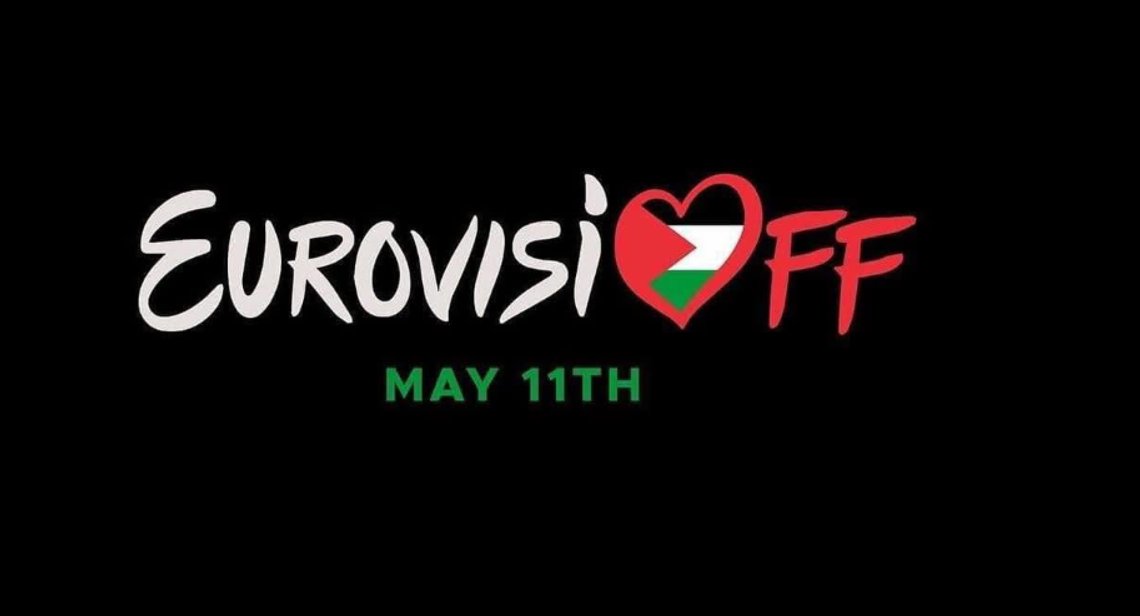
The previous year, in May 2024, she had posted the same poster.
The poster was launched as part of the campaign to boycott Israel’s participation in the Eurovision Song Contest in Malmö in 2024. The campaign was organised by a grassroots group comprising Nordic artists and activists.
The campaign was relaunched in connection with Israel’s participation in the Eurovision Song Contest in Basel in 2025.
Police prosecutor Mari Bystrøm Julnes makes no secret of the fact that she is actively involved in the contentious conflict in the Middle East and harbours strong antipathies towards Israel.
“Not my consent”
Document contacted her again regarding the image she had posted on Facebook, asking the following question:
- In what way might your political views and your involvement as a Palestine activist influence the performance of your duties, such as your assessment of evidence?
- Why do you use the name Julns rather than Julnes on Facebook?
- What is your view on uniformed police officers, investigators, police prosecutors, police chiefs and incident commanders wearing religious or political symbols and clothing, and expressing their political views or taking on the role of activists in contentious issues?
She also had the opportunity to answer unanswered questions from the previous case.
All questions from Document remain unanswered, but she wrote in an email:
«I ask that you do not use a private photograph in a professional context. You do not have my consent to use this, and even though it has been posted on Facebook, you do not have the rights to the photograph as it was taken in private».
Document replied:
“This is a public photo. Public photos on Facebook are public and are used time and time again by the media.”
Julnes replied:
«I hold the copyright to that photo and the other photos on my Facebook page, so you cannot use it without my consent. The fact that the photo is publicly available on social media does not mean it is free for the press to use. I have nothing further to say on the matter».
That is why Document is publishing the text and image
We quote a response from the National Police Directorate to a general question regarding the principle of acting neutrally.
«Police officers have a shared responsibility to uphold public trust in the police. Trust is the police’s most important asset and the very prerequisite for the police to carry out their public service mandate. Their work must be carried out professionally and with integrity.»
We will publish a comprehensive response from the National Police Directorate regarding the principles relevant to this case.
Document has chosen to publish a graphic illustration of the image and slogans that Julnes has posted globally on her Facebook page, where she calls herself Mari Julns, wearing a Palestinian scarf and calling for a boycott of Israel by the Government Pension Fund and the Eurovision Song Contest. The purpose of publishing this globally is to make the content widely known.
The content reflects attitudes which, in Document’s view, may cast doubt on her assessment of five dangerous robbers who, according to witness accounts, may hold the same views as Julnes on a contentious political issue.
Criminals have been remanded in custody for lesser offences than planned and violent home invasions. If, in such a case, perpetrators of Middle Eastern origin had been remanded in custody by a police prosecutor who was an active supporter of ‘With Israel for Peace’ on Facebook, this would, in Document’s view, have received similar attention in the press.
As there are numerous examples of the media in Norway publishing text and images from individuals’ Facebook pages without obtaining consent from those concerned, we see no reason to make an exception in this case.
In its assessment, Document has emphasised the value of the public gaining insight into decision-makers’ political and religious views, particularly in cases where victims live in fear of threats and reprisals, and thus have their freedom of expression restricted.


