

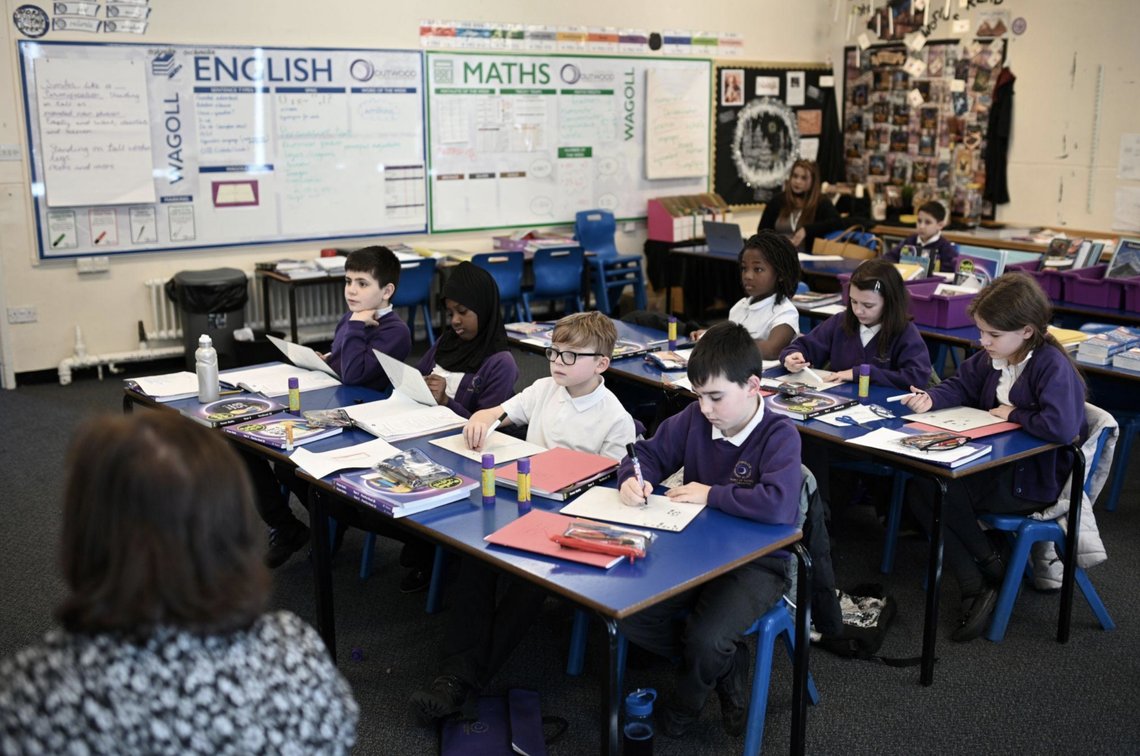
The police in England and Wales have recorded at least 8,500 sexual offences against children under the age of 13 in or around schools.
That is almost five every single day, for five years.
The figures were obtained by The Guardian, which has submitted freedom of information requests to the police. 33 out of 43 police forces responded. This means that the actual figure is likely to be far higher.
The data also contains nearly 2,000 reports of rape and attempted rape in schools. That is one per day. Over a third of the victims were under 13.
Where gender is specified, nearly two-thirds of the victims under 13 are girls.
Most police reports do not state the ages of the suspects. In at least 1,890 of the cases involving children under 13, the perpetrator is described as being under 18. The Guardian believes that many are likely to be fellow pupils.
In addition, there are 6,140 cases involving the possession, production or distribution of illegal images of children under 18. And at least 2,300 sexual offences against pupils aged 13 to 16.
Outside London, too, the figure has risen. From 26.6 cases per 100,000 children under 13 in 2022 to 27.6 in 2025. That is an increase of 4 per cent.
Rachel de Souza, Children’s Commissioner for England, describes abuse between pupils as “widespread, normalised and all too often swept under the carpet”.
Andrew Lord is a partner at the law firm Leigh Day, which represents victims of abuse.
“The authorities can no longer claim they did not know how widespread this is,” he says.
The government describes the figures as shocking. It points out that schools’ duty to respond to sexual violence and harassment is now enshrined in law.
The police describe the figures as deeply disturbing. Becky Riggs heads up child protection work at the National Police Chiefs’ Council (NPCC). She says the figures may also be due to children being more willing to come forward.
The Guardian reports that the problem has grown with the rise of artificial intelligence and deepfakes. In April, the government proposed a statutory ban on mobile phones in schools. Headteachers hope that this, alongside restrictions on social media, can reverse the trend.
The Association of School and College Leaders (ASCL) is calling for stricter regulation of online platforms. Ministers must be willing to go further, says General Secretary Pepe Di’Iasio.


