

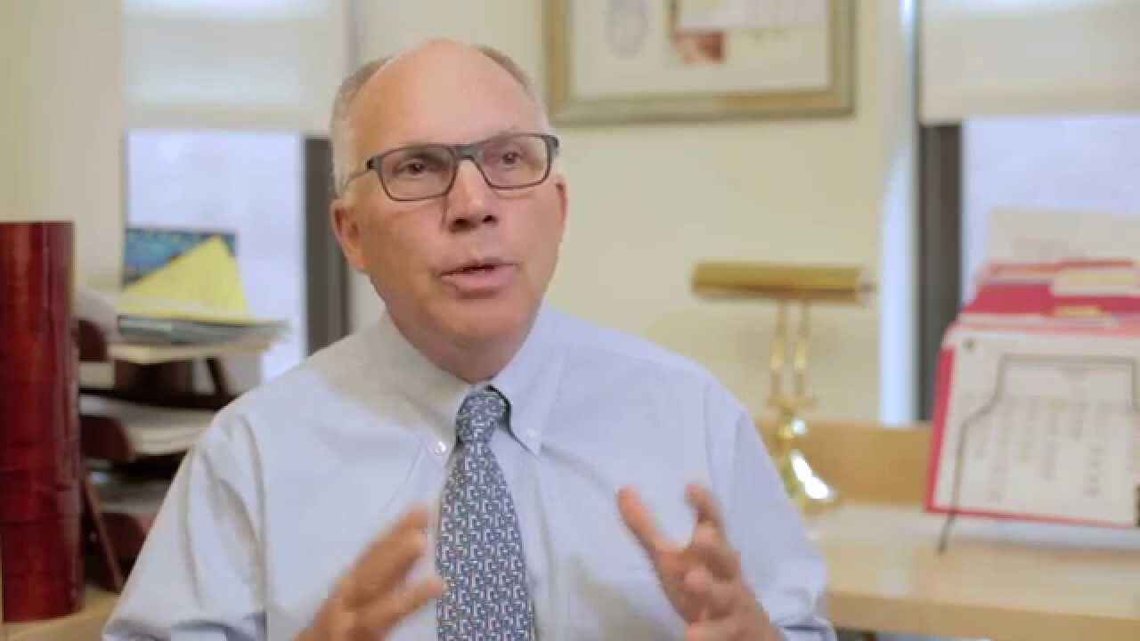


An article in the prestigious New England Journal of Medicine has attracted international attention. Dr Robert Truog, Professor of Anaesthesiology and Bioethics at Harvard University, and his colleagues argue for relaxing or abolishing the so-called “Dead Donor Rule” – the rule that a donor must not be killed in order to remove his or her organs.
In the article, Contextualizing the Dead Donor Rule in an Era of Voluntary Euthanasia, they propose a new process which they call “death by organ donation”. The idea is that doctors should be permitted to end patients’ lives through a form of euthanasia procedure in order to harvest their organs while they are still healthy and suitable for transplantation.
“Someone must die so that others may be better off”
Truog and his colleagues argue that the current system is inefficient. There is a severe shortage of organs, and many patients die while waiting for a donation. By allowing doctors actively to end the lives of patients who have given consent (or where their next of kin have consented), the number of available organs could be increased dramatically.
The authors contend that medicine has, in practice, already redefined death in order to support modern organ-harvesting practices; that the distinction between “killing” and “assisted dying” is artificial when the patient is going to die anyway; and that the ethical problem could be eliminated by means of informed consent.
The proposal has met with strong opposition from both religious and medical ethics communities. Critics point to the dangers inherent in all forms of active euthanasia. One concern is the slippery slope. We have already seen, within “ordinary” euthanasia, that ever more groups are being included. Where does it stop if doctors are first allowed to kill for organs? What about the elderly? Should there be an “age limit”? What about people with disabilities? The mentally ill? How can trust in the healthcare system be maintained if doctors are regarded as potential “killers” seeking organs for harvesting?
Canada: Organhøsting fra eutanasi-ofre har en «reell innvirkning» på markedet
Most people believe that organ donation takes place only after they are unquestionably dead. They imagine a body that is cold, grey and rigid, but that is not how organ donation works. Organs rapidly become unsuitable for transplantation without circulation. That is why patients in deep comas with beating hearts have, in many countries, been redefined as “brain dead”.
“Such contextualisation turned the definition of death into a flexible moral safeguard that maintained the commitment not to recover organs from living persons, but the very meaning of ‘death’ was revised.”
MEDICAL UNETHICS – ORGAN DONATION
Doctors are now making the case for death by organ donation
A New England Journal of Medicine article argues the ethical focus in organ donation should shift away from when death occurs and toward ‘respecting’ patients' choice to be killed for… https://t.co/itgtnjPKod pic.twitter.com/OwF2Vea2t5
— S.A. Dupres (@Susan_Dupres) July 14, 2026
To kill one human being in order to save another violates fundamental ethical principles as old as medicine itself (Hippocrates).
Truog has previously argued for expanding the definition of euthanasia from a “right to die” to regarding death as a resource. “Someone must die so that others may be better off.”


