

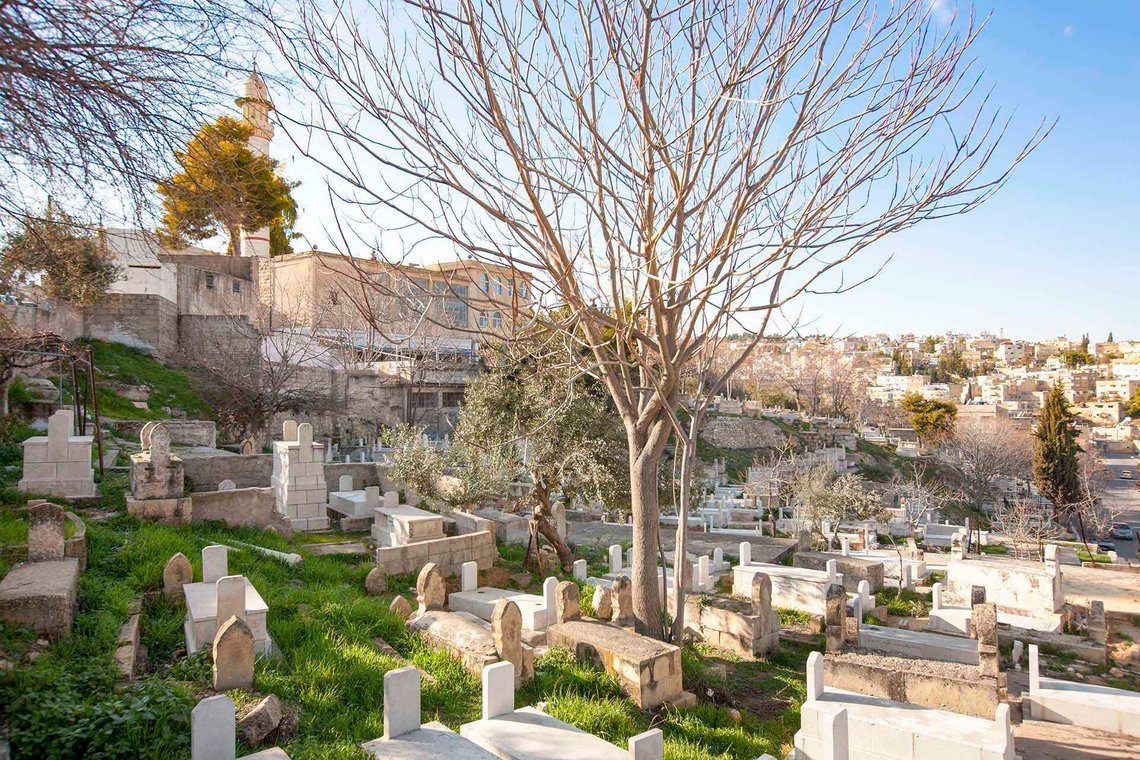
Germany’s capital Berlin today faces the practical and cultural consequences of a policy that has promoted demographic change as an unconditional good. One of many unforeseen problems is an acute shortage of burial plots for the Muslim segment of the population.
Muslims have traditionally sent their dead from Germany back to their countries of origin for burial, but this practice has changed as large sections of Germany’s Muslim population today have roots in the country stretching back several generations. They wish to be buried where they have lived their lives and where future generations are to reside.
Sky-high demand
Several hundred thousand Muslims live in Berlin. The current need for burial plots is estimated at around 2,000 per year, which is extraordinarily high in relation to the available supply. This places massive pressure on cemeteries that are not adapted to Muslims’ needs. They want the head turned towards Mecca and require perpetual grave peace, a concept that collides with German practice of time-limited leasing of burial plots and space-saving cremation.
Crisis in Berlin: The city has a serious shortage of burial sites for Muslimshttps://t.co/5xfB07SKxL
— Remix News & Views (@RMXnews) May 14, 2026
Muslim organisations and funeral agencies describe the situation as untenable and are demanding urgency in the establishment of new burial sites.
This has created a contentious situation in the city council, where several politicians are arguing for the acquisition of new land areas and for adapting legislation so that it accommodates sharia.


