New accounting figures from the Storting reveal an enormous difference in how our elected representatives treat the community’s funds.
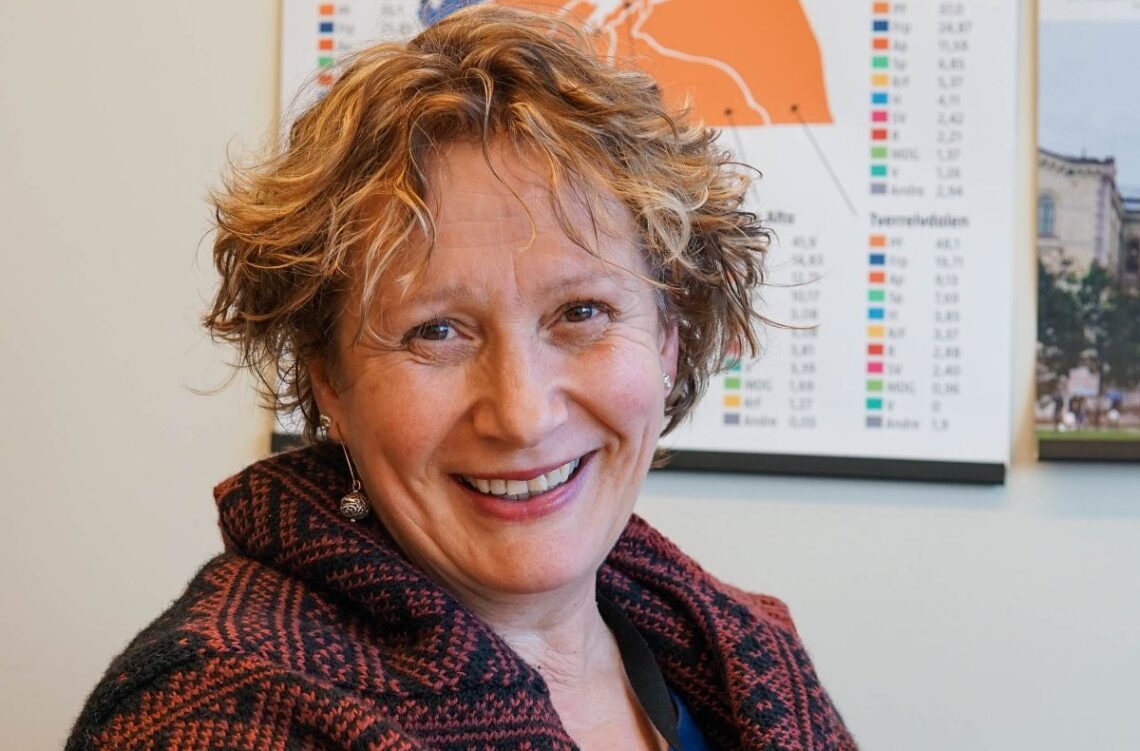
While the major parties empty their well-filled group coffers, Irene Ojala from the party Pasientfokus has returned nearly ten million kroner that she has not had need of, writes Klassekampen.
The lone representative’s struggle against the spending spree
The review of last year’s accounts shows that Irene Ojala has repaid a full 9.7 million kroner to the state treasury. These are funds intended to cover expenses for advisers and political work for her group in the Storting. That a single representative can be left with such a staggering amount says much about how generous the allocations are in the first place. Ojala herself has stated that she saw no reason to spend the money merely because it was available.
– It would have been interesting to know whether other parliamentary groups repay funds. We operated frugally. I did not travel on unnecessary trips. Pasientfokus complied with the Storting’s rules, and did not use the operating subsidy for election campaigning, she says to the newspaper, specifying that they had only 80,000 kroner in their election campaign budget, paid for through collected funds.
The rigged system for the opposition
An examination of the regulations shows that the flow of money is rigged to favour parties with more than one representative. Opposition groups with two or more representatives receive an additional opposition supplement of NOK 3,751,876 per year. Since Ojala sat alone, she did not have access to these extra millions at all. Nevertheless, she has thus managed to return a fortune corresponding to several years of this supplement.
FrP shows moderation, while other power parties squander
Among the major parties, it is FrP that distinguishes itself by actually returning funds to the community. Although FrP receives the full opposition supplement of almost four million kroner, they have chosen to repay approximately 2.1 million kroner of their total surplus. This demonstrates that it is possible to be a professional opposition party without burning through every single krone on internal seminars and external consultants. Neither the Labour Party nor the Conservative Party has shown the same willingness to return unused funds, and in practice they spend everything they are allocated on building up their own political apparatuses.
Here is the overview of the parliamentary groups’ annual accounts at the Storting.
The question that imposes itself is whether the group support in the Storting in reality functions as a way of circumventing the rules for ordinary party support. When millions of kroner are spent on communications advisers and campaign work rather than purely parliamentary work, this may indicate a failure in the system.
A failure that is exploited by politicians who are not as honest as Ojala.