

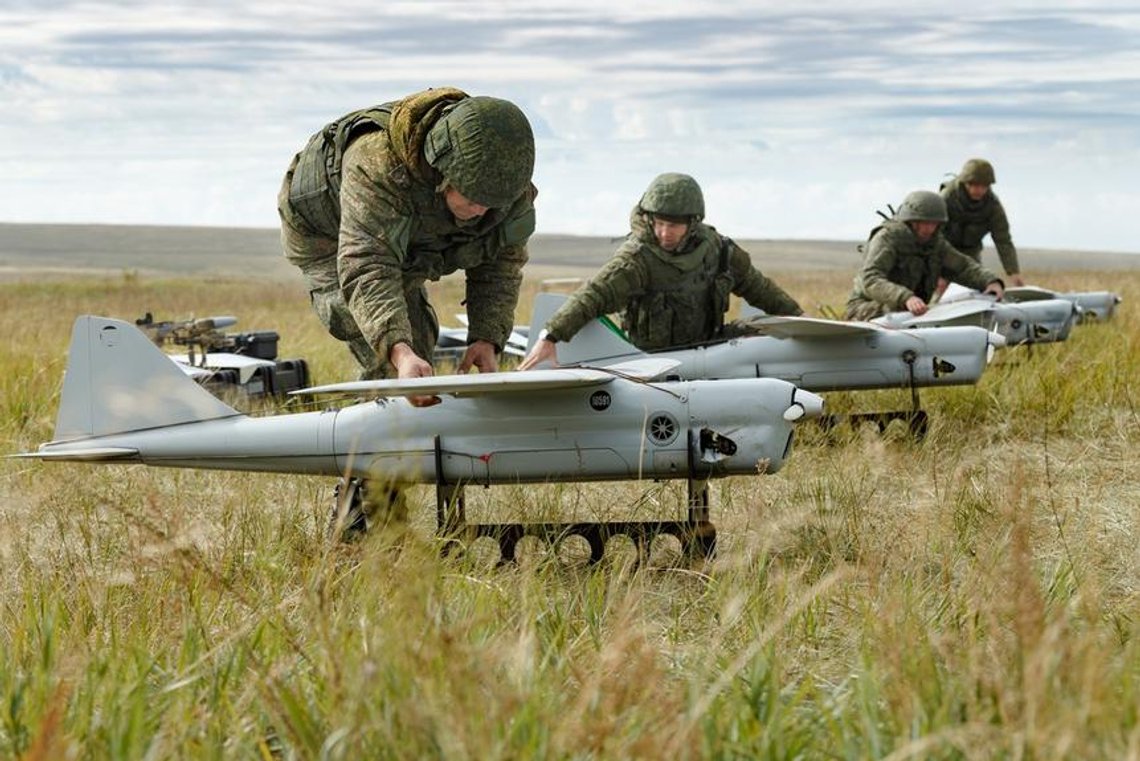
The Norwegian Defence Research Establishment (FFI) granted rights to taxpayer-funded drone technology to a professional officer. The agreement circumvented procurement regulations, while the ministry said no.
The company Six Robotics AS was established in October 2023 to commercialise software for autonomous drone swarms, which FFI developed using taxpayer funds over a period of around ten years.
At the time of establishment, the former special forces soldier Christian Fredrik Eggesbø (36) was still an officer in the Armed Forces and seconded to FFI.
While the ministry raised objections concerning impartiality, equal treatment, trust, and reputation and requested that FFI’s board examine the matter thoroughly, FFI was in such a hurry that it signed the agreement without waiting for approval.
Since then, however, the company has been awarded contracts from the Armed Forces worth tens of millions, without tender competitions. War materiel may be exempted from the regulations on the grounds of national security interests.
It is Dagens Næringsliv that has uncovered the case.
Now the Ministry of Defence is demanding a full review from FFI.
According to lawyer Robert Myhre, the procedure raises serious questions of impartiality and may have given the former officer’s company a lasting competitive advantage in the market. Myhre is among the country’s leading experts in public procurement.
Royalty agreement
The Norwegian Defence Research Establishment has made it a routine to establish and promote private companies based on state-funded research and development.
In addition to Six Robotics, the companies Geowise, Fieldmade, Maseng, Sentry Security and Light Structures have also emerged from FFI.
The cooperation agreement between Eggesbø and FFI granted Six Robotics a licence to commercialise the institute’s own software concept for drones.
 Christian Fredrik Eggesbø, managing director of Six Robotics AS and former special forces soldier and officer in the Armed Forces. (Photo: Private)
According to the agreement, FFI is to receive royalties from Six Robotics as consideration for the commercial rights to the software. However, the value is not quantified.
According to FFI director Kenneth Ruud, they found no established actors capable of carrying out the commercialisation. Thus, Eggesbø’s limited liability company became the solution.
There, he himself owns 90 per cent through a holding company.
Co-owner and recently departed chief technology officer (CTO) is Jan Dyre Bjerknes, a doctorate holder in swarm robotics and concerned with how autonomous robots can be made to cooperate.
A recent lecture he gave was titled «swarmfare», a play on swarm and warfare.
Before Christmas, presented Bjerknes with the control case for the Army’s first drone swarm, produced by Six Robotics.
When the company last year announced the delivery contract with the Army for the drone system “Valkyrie”, the presentation in the press release was that the company was selected in competition with others.
But in reality there were no other bidders, according to DN.
During Bjerknes’ 18 months in the company, the number of employees increased from 2 to 50. Turnover in the first year of operation was NOK 5.4 million, and the company secured NOK 10 million in convertible loans from seed investors.
Subsequently, the company has hired at least 20 additional employees and has an ambition of five new employees per month, according to Eggesbø.
Did not wait for approval
Eggesbø’s employment relationship with the Armed Forces created ethical challenges for FFI. Defence employees cannot, naturally, participate in tenders or enter into contracts with the Armed Forces. The rules also require “particular caution” in procurements from suppliers with former employees from the Armed Forces on their staff.
– When we are to negotiate the cooperation agreement, we cannot escape the fact that all employees in the company have less than two years since they left the sector.
This was written by Erik Warberg, legal head at FFI, in a letter to the Ministry of Defence (MoD) before Christmas 2023, which DN has accessed.
Warberg therefore asks the MoD to make an exception from the regulations.
But when the MoD wanted answers to several questions, FFI and Eggesbø instead chose to sign the agreement. The justification: there was urgency in bringing the technology to market.
FFI only received a response to the application from the MoD in May 2025, more than a year later. It was rejected.
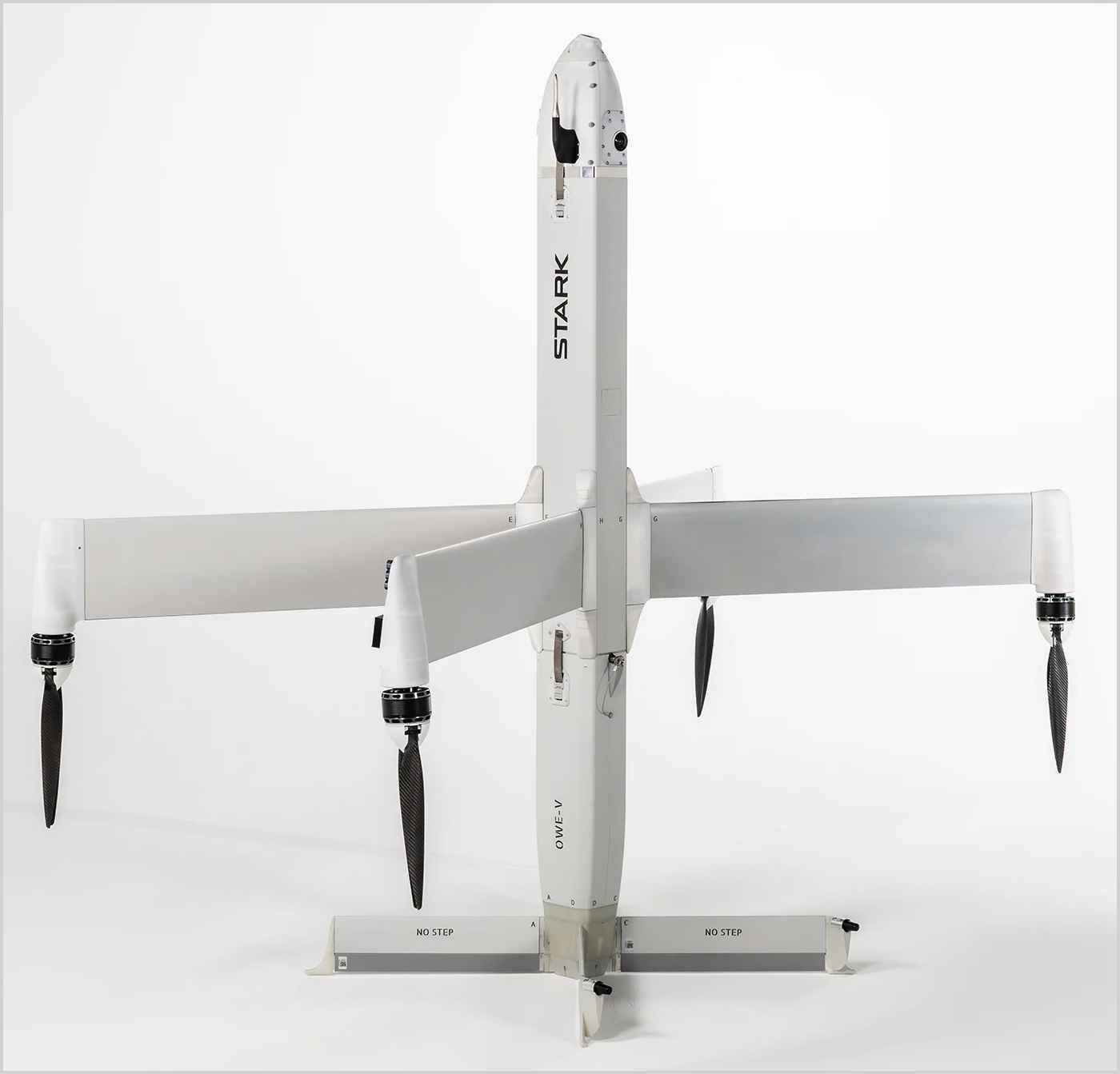 The loitering munition Virtus from Six Robotics’ partner Stark can fly 100 kilometres and has a warhead capable of penetrating 800 millimetres of rolled homogeneous armour equivalent. The Norwegian company’s task is to make it fly in autonomous mass swarms. (Photo: Stark).
Drafted a “standard contract”
FFI director Ruud defends the approach on the grounds that Eggesbø was never directly employed by FFI. Instead, he was a professional officer in the Armed Forces and was ordered into the position at FFI.
Moreover, the contract that was drafted was a “standard contract without room for negotiations”, which the parties appear to consider made it less controversial.
When asked why other employees were not given the same opportunity as Eggesbø, Ruud responds that not just anyone could have managed it:
– He had knowledge of the technology and understands the needs of the Armed Forces. He also had capital that he was willing to risk in such a start-up company.
How much Six Robotics has received in total from the Armed Forces, no one will disclose. FFI states that it has entered into “several contracts”, but that these are classified for reasons of national security.
The one agreement that is known concerns surveillance drones for the Army and is worth NOK 28 million.
- Head of communications Lars Strøm in the Army tells DN that FFI is “responsible for implementation and has carried out the procurement”.
- FFI states that the Armed Forces owns the project and that it is not financed with FFI funds.
- Ruud describes it as a test agreement between Six Robotics, the Army, and FFI.
- Eggesbø claims that he was not involved in the decision to commercialise FFI technology in a new company.
The Army’s drone programme has so far a cost framework of NOK 1.5 billion. Six Robotics presented its drones during the launch.
In March, the company entered into a strategic collaboration with Stark, a German manufacturer of combined loitering and reconnaissance drones.


