An undercover investigation by BBC News reveals an extensive industry in the United Kingdom in which advisers and intermediaries help migrants fabricate evidence that they are homosexual in order to obtain asylum.
The asylum seekers are advised to visit gay bars and take photographs of themselves together with real homosexuals as “evidence” that they can use in their asylum application.
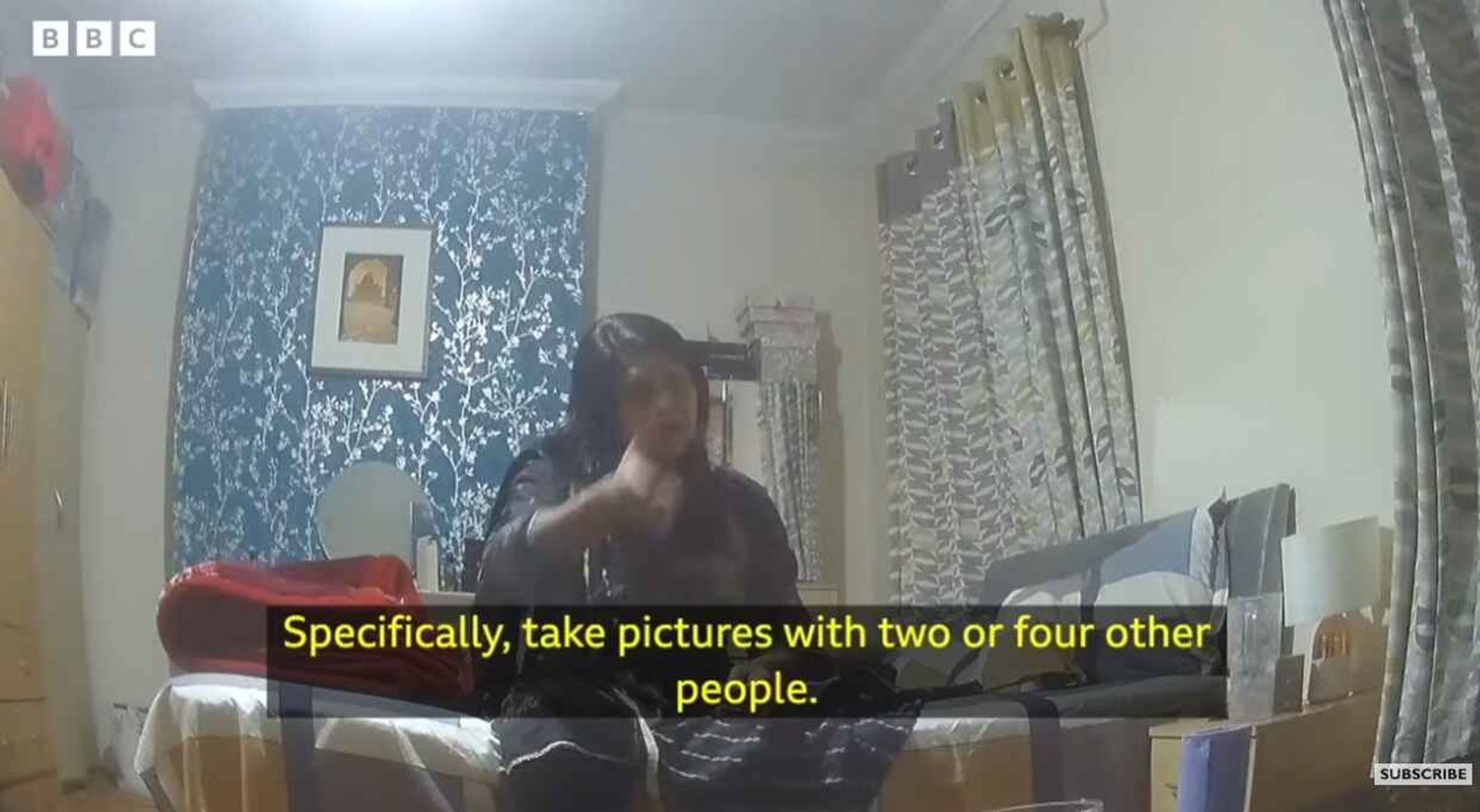
A female adviser states in the video that it does not matter whether one actually is homosexual, and claims that “everyone uses this method”, while emphasising that what matters most is what one says during the asylum interview. She further explains how she can prepare the applicant, build up a credible story, obtain photographs from LGBT events and arrange supporting letters, including from a person who is to present themselves as the applicant’s partner.
According to the BBC investigation, individuals with expired student, work, or tourist visas are offered comprehensive “packages” to apply for asylum. These include pre-written statements, staged photographs from homosexual meeting places, supporting letters, and even false medical information.
Pay thousands for false stories
One of the advisers whom BBC journalists met undercover is said to have offered to construct a complete asylum case for around £2,500. Other actors charged up to £7,000 and promised a low risk of rejection.
The method consists in claiming that the applicant is homosexual and risks persecution in their country of origin, often countries such as Pakistan and Bangladesh. In several cases, migrants are said to have been instructed in how to behave during asylum interviews, including memorising detailed, fabricated life stories.
– “No one is actually homosexual”
During a meeting organised by an organisation for LGBT asylum seekers in East London, several participants told the BBC’s undercover reporter that many of those present were not homosexual.
– “No one here is homosexual. Not even one per cent,” said one of the participants.
According to the revelation, such events are used to obtain “evidence” of affiliation with an LGBT environment, which can strengthen asylum applications.
Difficult to verify
Asylum applications based on sexual orientation are among the most difficult to assess, because they are largely based on the applicant’s own account and credibility.
An experienced immigration lawyer with whom the BBC has spoken states that such cases are particularly vulnerable to abuse.
– This makes it more difficult for those who genuinely need protection, she says, pointing out that false cases can undermine confidence in the entire system.
Authorities signal responses
British authorities react strongly to the findings. The Home Office states that individuals who attempt to exploit the system will face “the full force of the law”, including deportation.
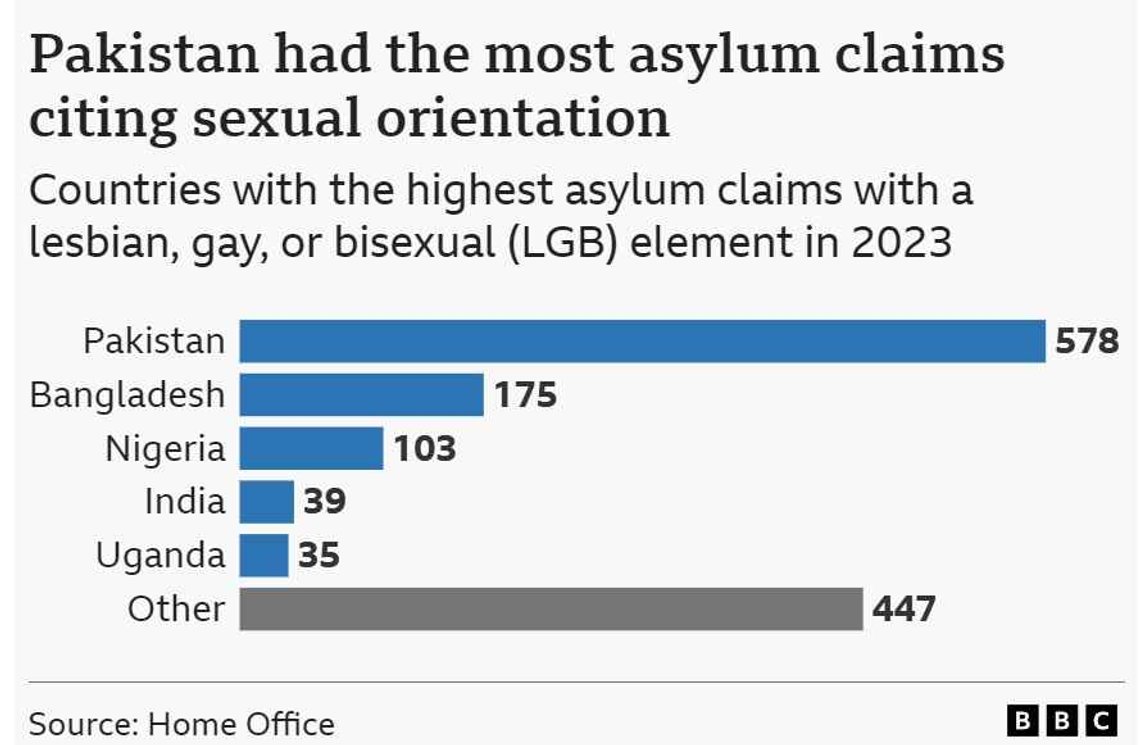
Figures from the British authorities also show that Pakistani nationals are heavily overrepresented in asylum applications based on sexual orientation.
In 2023, decisions were made in 3,430 LGBT-related asylum cases, and nearly 1,400 new applications were submitted on this basis. As many as 42 per cent of these came from nationals of Pakistan, who thus constituted by far the largest group, for the fifth year in a row.