

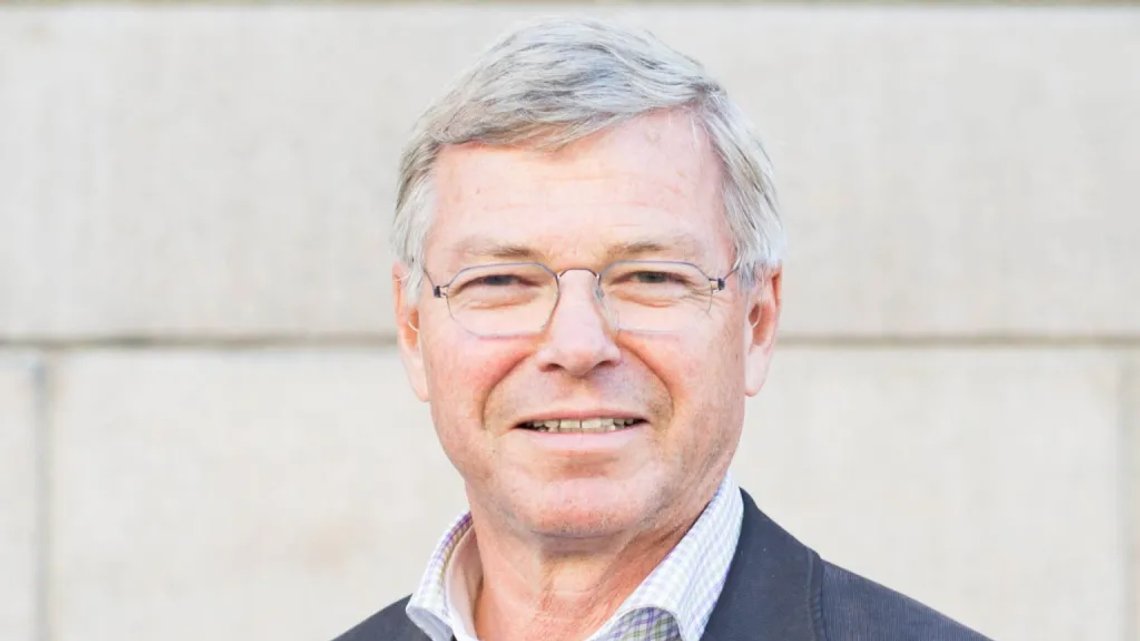


Former Prime Minister Kjell Magne Bondevik is now issuing a clear call to Jonas Gahr Støre to change course on the EU question.
Bondevik believes that the Prime Minister is mistaken when he asserts that the time is not right for a new debate. He points out that the world has changed radically since the previous referendum, and calls for a comprehensive assessment of the consequences for Norway.
The former KrF leader himself opposed membership in 1994 but has now arrived at a yes. He believes it is time to document what it will mean for the country to remain outside if Iceland chooses to become a member. Bondevik holds that Støre must set aside his reluctance and prioritise Norwegian interests in the long term.
Fears Nordic isolation
If Iceland enters the Union, Norway will be the only country in the Nordic region that remains outside. In an interview with Dagsavisen, Bondevik warns that this may lead to diminished influence in Nordic cooperation. He points out that both Sweden and Finland have taken major steps following Russia’s invasion of Ukraine. Neither Støre nor the Government should lean back while neighbouring countries adjust the map to the terrain, the former Prime Minister maintains.
Two referendums to secure the debate
Bondevik proposes conducting two referendums in order to create a less divisive process. The first vote is to determine whether Norway should begin negotiations with the EU. If the result is yes, the people shall again have their say when the outcome of the negotiations is available.
He believes that this will provide a more informed debate based on actual assessments rather than short-term temptations and simple solutions.
Security and climate in change
Security policy issues today concern more than military power, and Bondevik points to areas such as health and preparedness. He believes that the EU is at the forefront in climate and environmental matters, while Norway often comes afterwards. The former Prime Minister expresses concern that Europe may become caught between the great powers China and the United States, and believes that Norway must take part in strengthening European integration.
This is not the first time that the question of a new EU assessment has arisen, but Bondevik believes the situation is now dramatically different. He points out that the United States is moving in a more nationalist direction and that democracies are under pressure. Bondevik calls on Støre to make use of the room for manoeuvre he now has, as the Centre Party is no longer in government.
He believes that Jonas Gahr Støre stands freer to take measures that serve the country in an uncertain time.


