

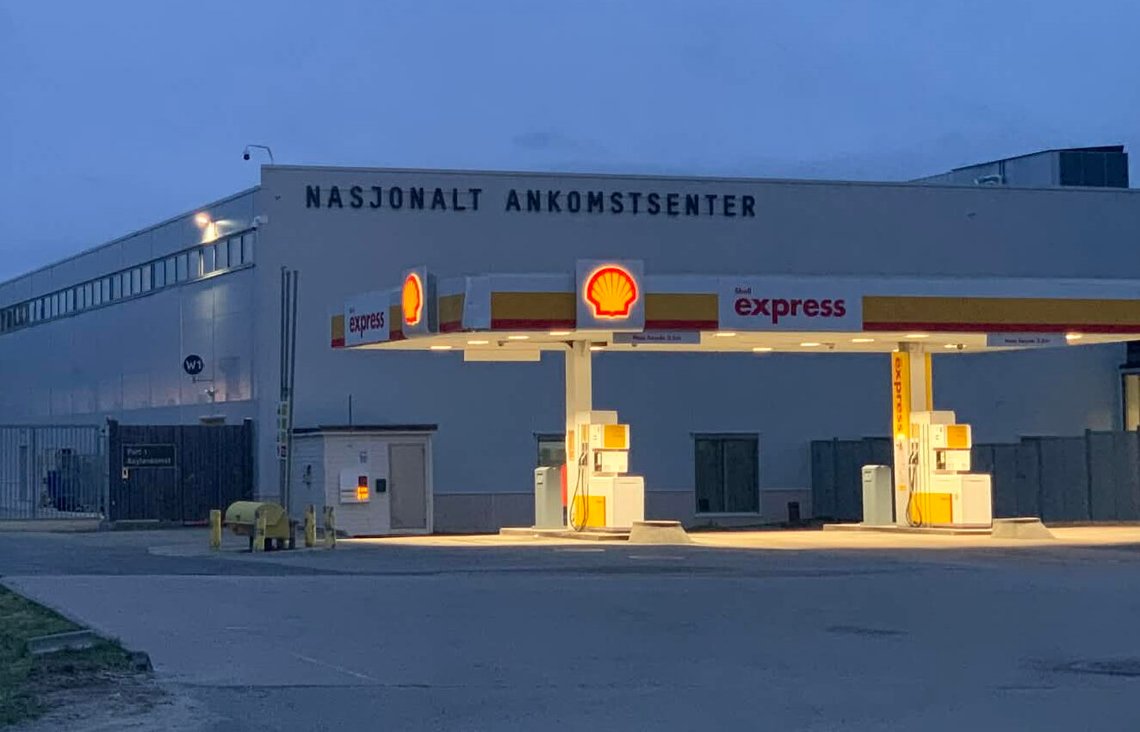


The Norwegian welfare system has, over the past five years, implemented a substantial upward adjustment of the financial benefits granted to persons residing in asylum reception centres.
The figures from the Norwegian Directorate of Immigration (Utlendingsdirektoratet) show that subsistence support has increased by more than 72 per cent from 2021 to 2026. This means that the growth in benefits for asylum seekers has been significantly higher than the general wage growth for Norwegian workers during the same period.
Enormous increase in monthly subsistence payments
In 2021, a single adult in a standard asylum reception centre with self-catering received NOK 2,455 per month to cover food and personal needs. In 2026, this rate has increased to NOK 4,241, representing a historically high rise. For married couples and cohabitants living together in reception centres, the growth is equally pronounced. In 2021, a couple received NOK 4,663 in total, whereas in 2026 they are paid NOK 8,052 every single month.
The development is particularly evident when examining support for children in different age groups. For adolescents aged 11–17, the monthly support has increased from NOK 2,210 in 2021 to NOK 4,002 in 2026. For children aged 6 to 10, the rate has increased from NOK 1,860 to NOK 3,154, while the youngest children, aged 0 to 5, now receive NOK 2,357, compared to NOK 1,390 five years ago.
A family with two adults and two teenagers can thus receive more than NOK 16,000 per month purely for subsistence, while the state additionally covers all fixed costs such as housing and electricity, as well as internet and laundry services.
Million-cost bill for free legal aid and legal assistance
A significant portion of the state’s expenditure in the asylum field goes towards free legal aid. The public legal aid hourly rate (salærsatsen) for lawyers has seen a sharp increase and is in 2026 set at NOK 1,375 per hour. This represents an increase from NOK 1,085 in 2021. All asylum seekers are entitled to a lawyer paid by the state in connection with the initial processing of their application.
For an adult applicant, the state as a general rule covers up to 5 hours of legal assistance, which entails a direct cost of NOK 6,875 per person. For unaccompanied minor asylum seekers, the number of hours is set at 8, resulting in a cost of NOK 11,000 per case. If the case is appealed to the Immigration Appeals Board (Utlendingsnemnda), additional hours of publicly funded legal assistance accrue. In addition, there are expenses for interpreters, which often double the actual hourly cost to society.
 Oslo 30.09.2019
Asylum seekers without a work permit and lawful residence even demand the right both to remain and to work in Norway.
Photo: Ole Berg-Rusten / NTB
Norway appears as an economic beacon in the Nordic region
When comparing Norwegian benefits with those of our neighbouring countries, it becomes evident that Norway operates at an entirely different level. In Sweden, the daily rate for a single adult without meal provision has remained unchanged at SEK 71 for many years, corresponding to approximately SEK 2,130 per month. This is less than half of the Norwegian rate in 2026. In Denmark, the system is structured with a basic allowance of DKK 63.23 per day, with the possibility of supplements if the application is accepted for processing. This results in a total monthly support of just under DKK 3,004.
Neither Sweden nor Denmark offer supplementary benefits or one-off payments to the same extent as Norway.
Costly return support and free healthcare without co-payment
In addition to the fixed monthly payments, the state in 2026 covers a number of additional expenses. Upon arrival, an equipment allowance of NOK 2,200 is paid to adults and NOK 1,800 to children. A supplement for infants is paid at NOK 650 extra per month. At the same time, all healthcare and dental treatment are entirely free for children under 18, while adults have all co-payments covered if they lack their own means.
For those who receive a rejection and choose to return voluntarily, the cash amount has increased from NOK 15,000 in 2021 to NOK 20,000 per adult in 2026. A family of four returning voluntarily can thus receive a total cash support of up to NOK 60,000 in addition to the state covering all costs of air tickets and transport.
Norwegian minimum pensioners and disability benefit recipients are left with little more
The comparison with Norwegian minimum pensioners and disability benefit recipients in 2026 presents a picture that provokes many. If one considers a single minimum pensioner renting a modest two-room flat in, for example, Oslo or its surrounding areas, rent in 2026 is between NOK 13,000 and NOK 15,000 per month. Adding electricity, which on average amounts to around NOK 1,500 to 2,000 for such a dwelling, as well as contents insurance and grid charges, the total quickly exceeds NOK 16,000.
A single minimum pensioner receives just over NOK 23,300 per month, but after fixed expenses for housing and electricity of around NOK 16,000 have been paid, that person is left with approximately NOK 7,300 for food and consumption. For a disability benefit recipient at the minimum rate, the situation is even tighter, with NOK 21,300 paid out after tax, which after fixed costs leaves just under NOK 5,300 for subsistence. This is only NOK 1,059 more than what a single asylum seeker receives in direct benefits, while the state covers the entire cost of housing and heating.
This means that those who have contributed to the community throughout an entire lifetime, or who have lost their health in Norway, have an economic margin that is almost identical to that of persons who have recently arrived in the country. Neither pensioners nor disability benefit recipients have their heaviest expenses written off by the state, as is the case in the reception system.


