
 Espen Teigen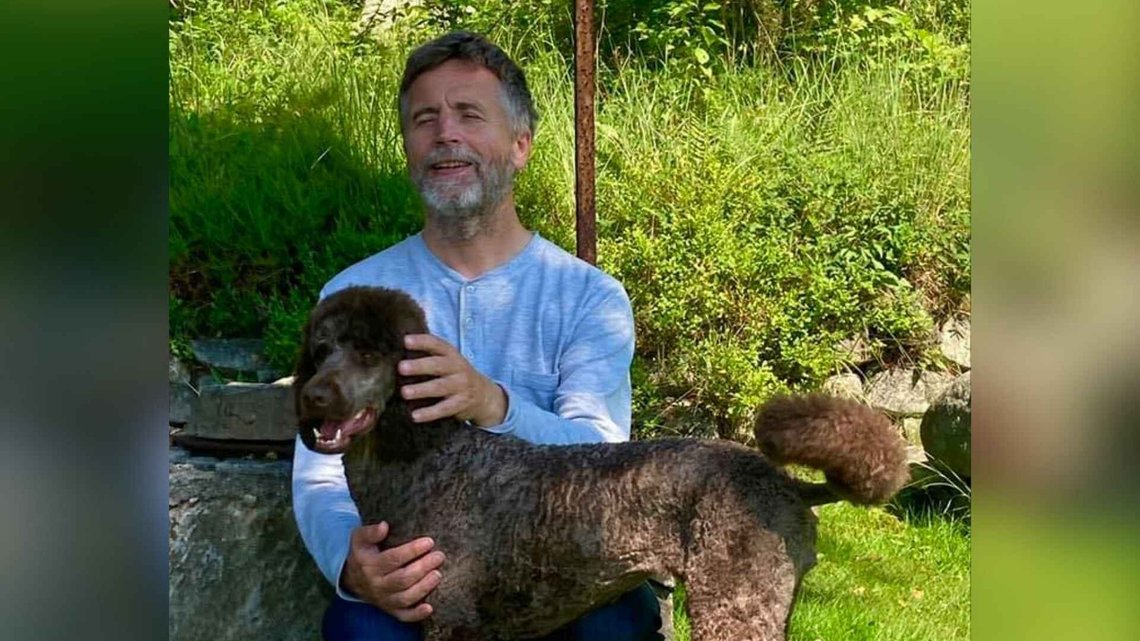
Geir Ålien is blind and dependent on his guide dog Gigi to manage everyday life. But the small, gentle poodle of 17 kilos continually creates problems when Geir is to take a taxi. Drivers from Muslim countries refuse to drive him – and the problem extends far beyond the taxis.
When Document speaks with Geir, he has just stepped out of a taxi in Oslo.
– I like to talk with the drivers, and I noticed that he was a little afraid of my dog. He said so himself. Whether it had anything to do with religion, I do not know, but it happens time and again that I encounter drivers who do not wish to drive me, Ålien relates.
Three in one month
In the past month alone, three taxi drivers have seen his guide dog, which he describes as a “small poodle with a sheep’s fleece weighing 17 kilos”, before turning away.
– It is always stated in my electronic booking that I have a guide dog. So they have not read the booking either. One grows a little weary of such things, he says.
Ålien has TT-transport (TT-kjøring), and when a driver refuses, a new taxi must be ordered. That means waiting time and frustration for a man who is dependent on transport to get through the day.
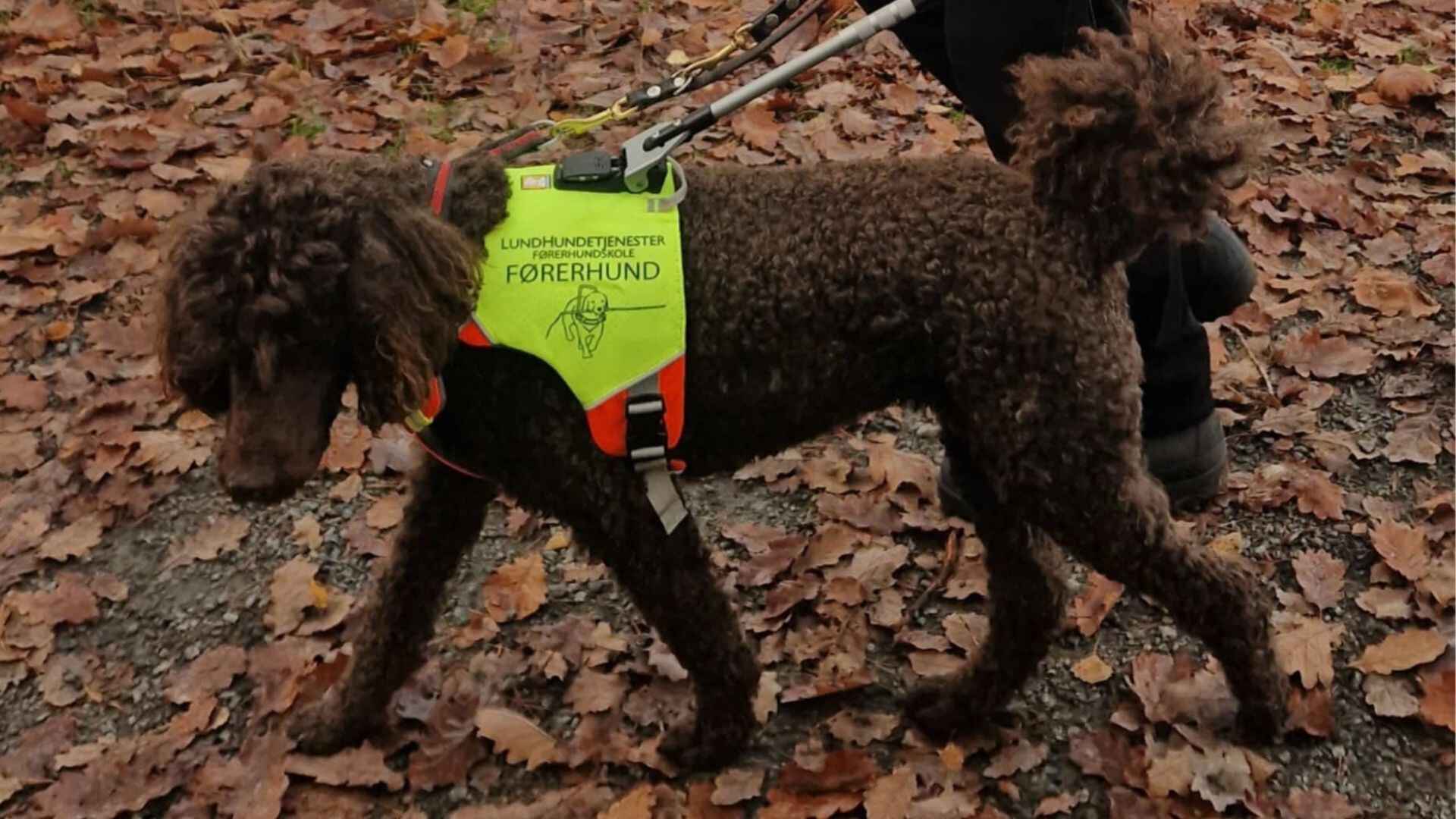 The guide dog Gigi is a 17-kilo poodle, with a “fleece like a sheep”, Geir describes. She accompanies him everywhere. Photo: Private
16 taxis drove past
The worst incident he experienced occurred in Drammen some years ago.
– There I simply stood in the blazing sun on a summer day and saw that 16 taxis drove past me because I had a dog. Then the newspaper did a report on it, he relates.
He gives the taxi companies credit for taking the problem seriously.
– The taxi companies are fortunately fairly serious and wish to receive complaints, Ålien says.
– It is typical of the Middle East
Ålien is clear that the problem does not concern immigrants in general.
– It is not foreigners in general. If they are Brazilians, Poles or Americans, then such problems do not exist. It is mostly people from Muslim countries, he says.
He points out that many Norwegians mistakenly believe that all immigrants are Muslims.
– There are very many who think that all immigrants are Muslims. For example, people from Eritrea do not have problems with dogs. It is typical of the Middle East, Ålien says.
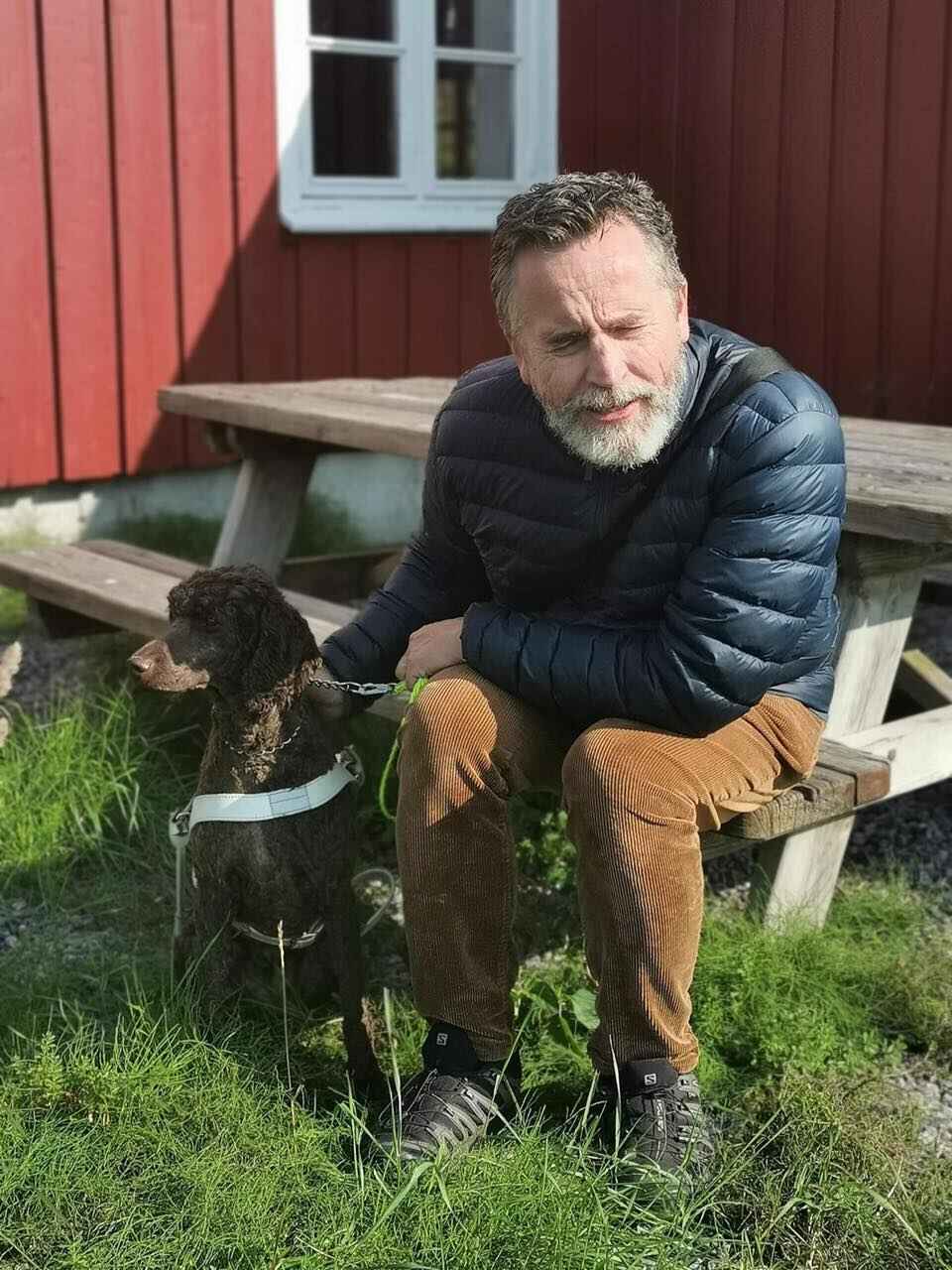 VITAL: For Geir Ålien, who is blind, language skills are particularly important. Whether in a shop or in contact with health services. When a woman in a hijab refused to escort him at the hospital, he considers it something that must be clamped down on. Photo: Private
Language is vital for the blind
For Ålien, it is not only about dogs. Language skills are absolutely decisive in his everyday life.
– A person who can see can simply point to show where he is to be driven. But I must be able to communicate with words. So it is very important to keep the level up, he says.
The same applies when he needs assistance in a shop, or in other everyday situations where he is dependent on being able to make himself understood by words alone.
– If we simply let it slide, and accept lower and lower standards because they are people from abroad, then it becomes very wrong. There have been several times when I have been frustrated and become irritated, Ålien says.
Woman in hijab would not show him the way
At the emergency clinic (legevakten) he experienced something that illustrates how far the consequences may extend. A doctor wearing a hijab did not wish Ålien to hold her arm, which is the usual way in which the blind are escorted.
– I have no problem with hijab, but she did not want me to hold her arm. That is how I, as a blind person, am able to find my way. Then another escort came and assisted, he relates.
Another person who was present, and who could see, observed the incident. It is therefore that he can state that the woman wore a hijab.
– You can say that it is very important that we have a norm, and do not grant exceptions for such nonsense, Ålien says firmly.
Think of the elderly
Ålien believes that the problem affects the most vulnerable the hardest, and that healthy Norwegians do not understand the consequences.
– The healthy and quick always manage. But think of elderly people in nursing homes who wish to say something about something that is not entirely OK, and then the carer does not understand what they are trying to say, he says.
He calls for Norwegians who dare to raise the issue.
– It is good that you raise it, because it is small steps that cause our country to change. Christianity is very flexible. In encounter with Islam, which is not, Christianity will lose, Ålien warns.
Screaming children and a gentle poodle
But Ålien has also experienced that encounters between cultures can go well, when one is simply met with generosity. When he once let the dog loose in a playground with around 20 immigrant children, the children began to scream.
– The youth who was to look after them looked at us angrily. But then the children came over to us, and they found out that the dog is completely harmless, he says with a smile.
The episode gives him hope, and he has a concrete proposal.
– We ought to have more dogs into kindergartens and schools. Immigrant children must learn Norwegian culture. Many are afraid, and then they must be given an opportunity. We must set some boundaries, but if we show openness, then it can become better, Ålien says to Document.


