
 Helena Edlund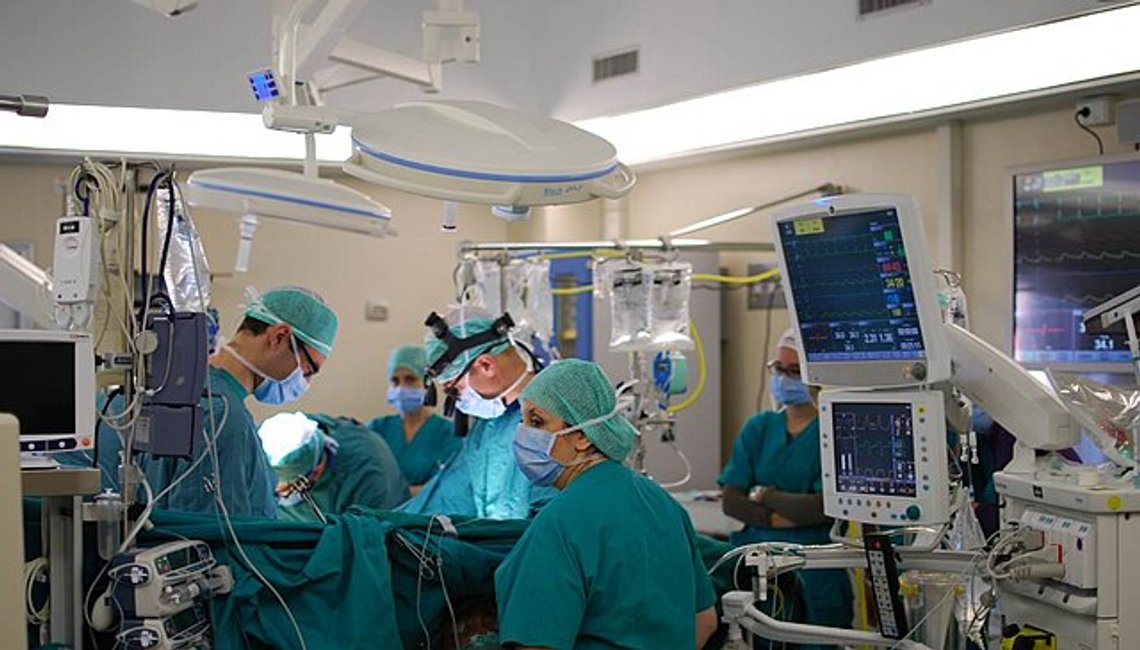
Muslim doctors who demand to fast and pray during working hours mean double work for colleagues and challenge patient safety. But Karolinska University Hospital sees no problem with exhausted doctors: “Most things will work out.”
The Muslim fasting month of Ramadan begins on February 19 and ends on March 20. During this time, devout Muslims are expected to fast by abstaining from food, drink and sex between sunrise and sunset.
One of the workplaces where the Muslim fast is felt in a tangible way is Karolinska University Hospital (Karolinska Universitetssjukhuset) in Solna, which with 16,300 employees is one of Stockholm’s largest employers.
The hospital is both a multicultural and multi-religious workplace, which has raised the issue of Ramadan among employees. Some employees consider fasting during Ramadan to be necessary – and demand that the employer adapt to religious requirements, something that is not entirely without problems.
“Doctors and nurses demand to be able to adjust their schedules to suit Ramadan, or demand to be allowed to leave work to pray”, says a healthcare employee who Document spoke to.
The fact that some staff take time off or are simply too tired to perform their duties affects the operations:
“The rest of us have to work double time and deal with tired, exhausted and irritated colleagues. It doesn’t exactly create a good atmosphere in the wards.”
According to Henrik Pehrsson, press secretary at Karolinska University Hospital, there are no overall guidelines that regulate the practice of religion during working hours, regardless of religion. If it is considered compatible with the needs and conditions of the operation, people are free to fast.
“It is an individual issue and most of the time it is resolved in a pragmatic way in the dialogue between manager and employee”, says Pehrsson.
In addition to the problems with scheduling, uneven workload and conflicts between staff, another factor is highlighted, namely patient safety.
Fasting from sunrise to sunset for an entire month risks affecting the attention of doctors and nurses responsible for surgical operations, emergency assessments and medication. However, Karolinska University Hospital believes that fasting staff does not affect patient safety.
“Patient safety always comes first”, says Henrik Pehrsson.
Who is expected to fast? The obligation to fast during Ramadan applies to healthy, adult Muslims. Children, the elderly, the sick and people who are travelling do not have to fast, as do pregnant, breastfeeding or menstruating women. Strict fasting means neither eating, drinking (an extreme interpretation means that the fasting person is not even allowed to swallow their own saliva) nor having sex. The clock follows sunrise and sunset in Mecca. At sunset, iftar begins, that is, the meal that breaks the fast every evening and where family and friends gather to eat and socialize.


