

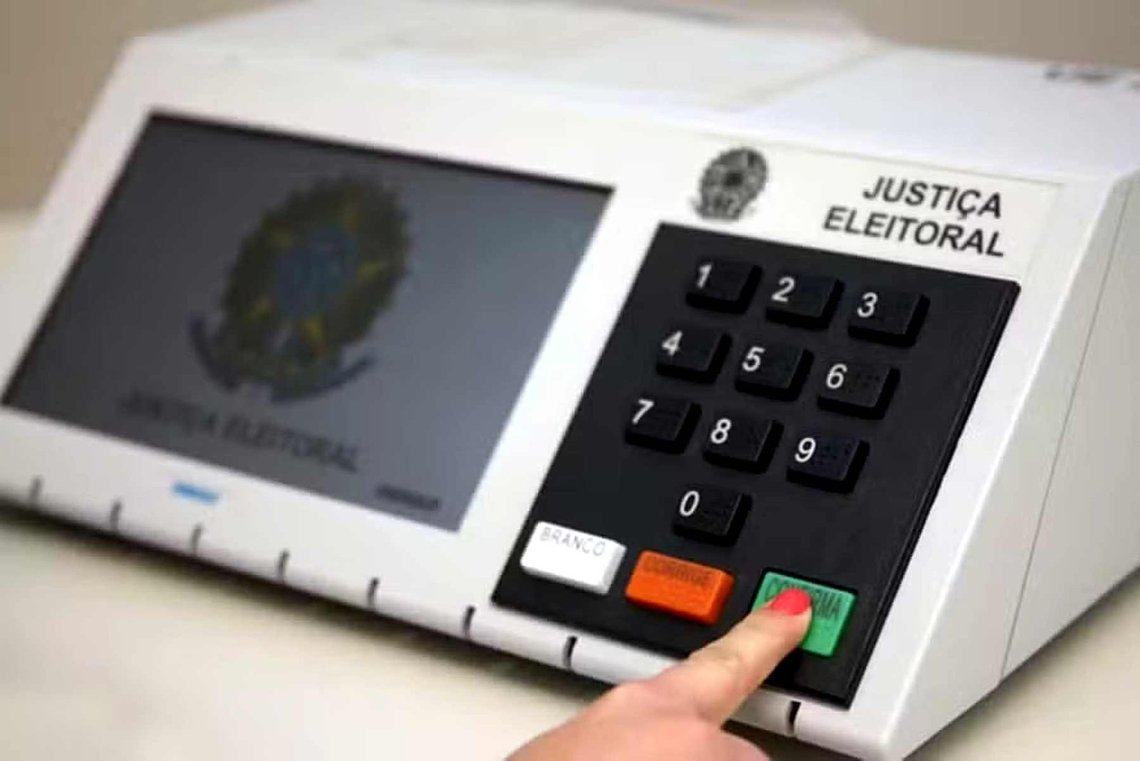


The second round of Brazil’s presidential election has been extended nationwide, 28 minutes before polling stations were due to close. The reason is reportedly that hundreds of buses were taken off the roads following industrial action by the trade union movement.
The decision by Brazil’s Superior Electoral Court (TSE) fulfils a request from the campaign team of the incumbent president, Luiz Inácio Lula da Silva, in light of the transport disruption reported from many parts of the country.
Buses were left in depots due to disputes between management and staff over Lula campaign posters that the trade unions had stuck on them.
In the state capital, Salvador, in Bahia, around 300 buses were taken out of service whilst work was carried out to remove the posters. Those in charge at the bus companies were unwilling to breach electoral laws, which prohibit political advertising, or ‘propaganda’ as it is known in Portuguese, on election day.
Plans to arrest the transport minister
At the same time, the state electoral court issued an arrest warrant for the local transport minister in Salvador for unlawful interference in the election campaign, as the buses were prevented from running as normal. He was on an official visit to Paris and could do little about it.
Eventually, the state transport secretariat, Semob, stepped in and demanded that the buses run, regardless of whether they were plastered with Lula advertising or not.
At the same time, challenger Flávio Bolsonaro’s camp requested an extension in Minas Gerais and the southernmost state, Rio Grande do Sul, due to heavy rain, flooding and power cuts.
Pause in the count
Lula claimed that the bus problems were a ‘dirty tactic’ orchestrated by mayors, with the aim of preventing people from getting to the polling stations.
The TSE paused the count once the extension had been confirmed. Before it was halted, only 0.25 per cent of the votes had been counted, according to Reuters, with Lula leading with 57.66 per cent of the vote against Flávio Bolsonaro’s 42.34 per cent.
Earlier in the day, Lula’s campaign had requested an extension only in Salvador and two other cities in Bahia. This request was subsequently extended to cover 10 states with more than 77 million voters.
Salvador’s mayor, Bruno Reis, is allied with Flávio Bolsonaro, whilst Bahia is otherwise a stronghold for Lula.
Polling stations were due to close at 21:00 Norwegian time. Polling stations have already closed for Brazilians living abroad. So far, Lula has won in 42 countries, compared with 12 for Bolsonaro.


